A lawn in North Texas is on a different schedule to a lawn in a cooler state, and most of the advice people find online is written for cool-season grass. Bermuda, zoysia and St. Augustine all wake up late, grow hardest through the worst of the summer heat, and go dormant while the neighbours further north are still mowing. Getting the timing right matters more than getting the products right, because the correct product applied at the wrong moment does very little.
The single most useful habit is to stop watching the calendar and start watching soil temperature. Warm-season grass begins to green up when the soil at a four-inch depth holds above about 65°F for several consecutive days, and weed seed germinates on its own schedule slightly earlier. A cheap soil thermometer pushed into the lawn tells you more than any date.
Late winter: pre-emergent, and nothing else
The one job that cannot be moved is pre-emergent herbicide. It works by forming a barrier that stops seed developing, which means it has to be down and watered in before the seed germinates. Once crabgrass is visible, pre-emergent does nothing to it and you have spent the money for no result.
Do not fertilise yet. Feeding dormant grass mostly feeds weeds, and a nitrogen application in February is one of the reliable ways to make a spring weed problem worse. Resist the urge to scalp the lawn early as well; the dormant canopy is insulating the crowns.
Spring: green-up, then the first real feed
When the lawn is genuinely greening across most of its area — not just in the sunny corner by the drive — it is ready for the first feed of the year. Applying while half the lawn is still dormant produces a patchy result that takes weeks to even out.
This is also the sensible window for levelling. Bare or thin patches are visible, the grass is growing fast enough to recover, and topdressing sand or a soil mix will settle in rather than sitting on the surface. Work it in with a levelling rake in a slow figure-of-eight rather than dragging in straight lines, and never bury more than about a third of the blade height in one pass.
Early summer: mow height goes up
The commonest mistake in June is cutting too short. A taller canopy shades the soil, holds moisture and suppresses weed germination without any chemical at all. Raising the deck by half an inch is free and does more for a struggling lawn than most bagged products.
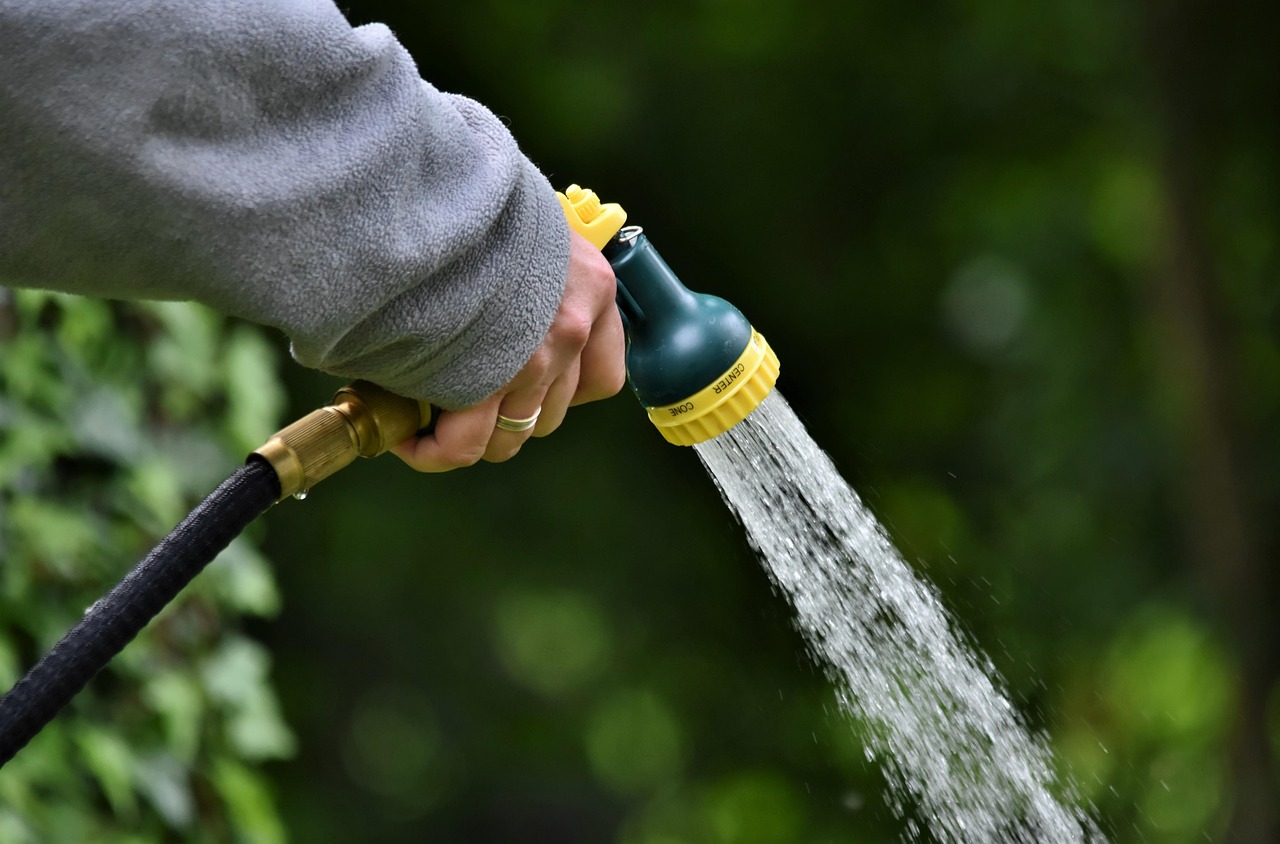
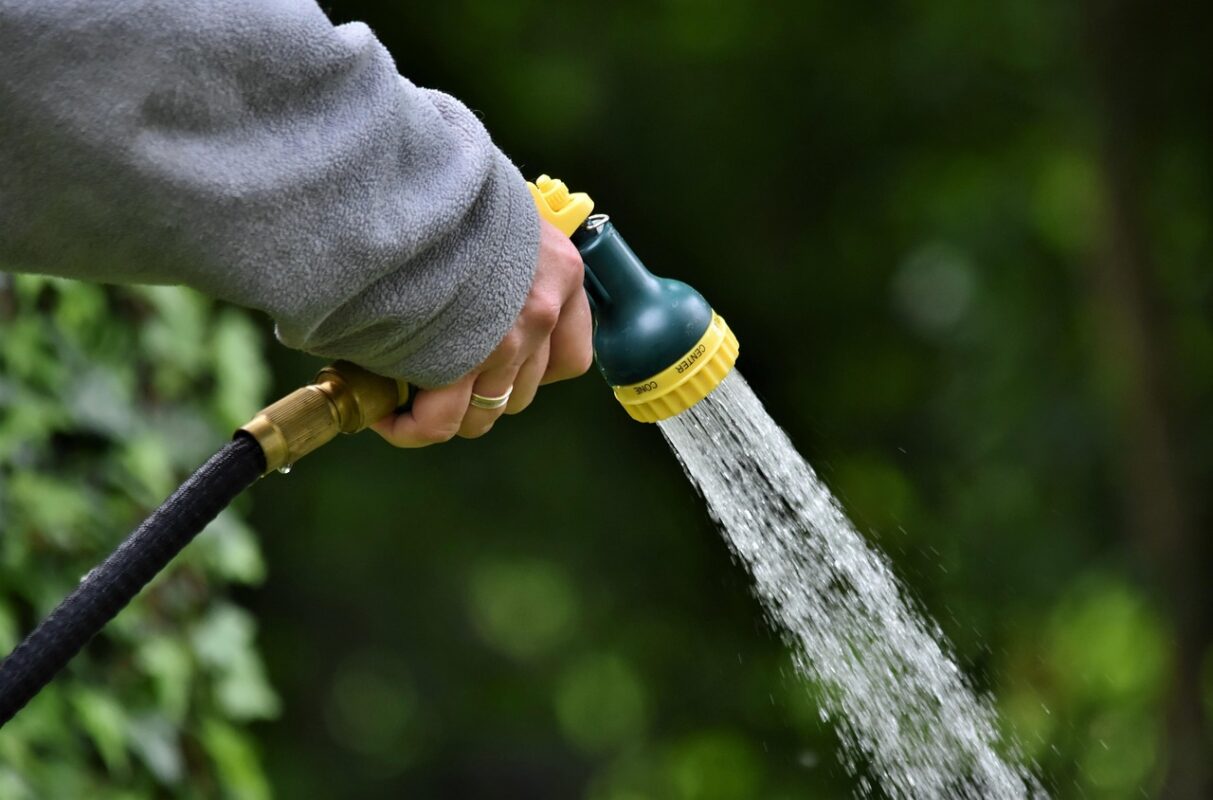
Water deeply and infrequently rather than briefly and daily. A long soak twice a week encourages roots downward; a light sprinkle every evening keeps them at the surface where they cook in August.
High summer: survive, do not push
Through the worst of the heat, the job is maintenance rather than improvement. Spot-treat broadleaf weeds rather than blanket spraying, because a non-selective product drifting onto stressed grass in July causes damage that takes until autumn to grow out. Read the label for a maximum temperature — many herbicides state one, and applying above it risks burning the lawn as well as the weed.
Sharpen the mower blade. A dull blade tears rather than cuts, and torn tips brown off within a day in high heat, which is why a lawn can look scorched two days after mowing even when it was watered properly.
Autumn: aeration and thatch
Early autumn, while the grass is still actively growing, is the window for aeration and dethatching. Both are disruptive, and doing them while the lawn can still recover is the difference between a fortnight of untidiness and a winter of bare patches.
Check the thatch layer first by cutting a small wedge out with a spade. Under half an inch of spongy brown material is normal and useful. Over three-quarters of an inch starts holding water at the surface and hosting problems, and that is when a thatching rake earns its keep.
A second pre-emergent application in autumn targets cool-season weeds that would otherwise germinate through the winter and be well established by the time you notice them.
Late autumn and winter: clear and wait
Keep leaves off the lawn. A wet mat of leaves left over dormant grass will kill patches of it, and clearing them into drawstring bags takes an hour that saves a spring repair. Once the grass is fully dormant there is very little to do, and the discipline is to leave it alone rather than to intervene.
The short version
- Watch soil temperature, not dates.
- Pre-emergent before germination — after is too late.
- Feed only when the lawn has genuinely greened up.
- Level and topdress in spring while growth is fast.
- Raise the mowing height for summer and water deeply.
- Aerate and dethatch in early autumn, not in heat.
- Keep leaves off through winter and otherwise leave it alone.
The tools for each of those jobs sit in their own category: spreaders and sprayers, rakes and levelling tools, weed and grass control and yard cleanup. If you want a second opinion before buying, the contact page reaches us on weekdays.
Watering through a heat run
When temperatures sit above the high nineties for a week or more, the instinct is to water every day. That is usually the wrong response. Shallow daily watering keeps roots in the top inch of soil, which is the layer that heats up fastest and dries first, so the lawn becomes more vulnerable rather than less. A long soak that wets the soil to four or five inches, twice a week, produces deeper roots and a lawn that copes.
Test how long that takes on your own soil rather than trusting a timer. Put a straight-sided tin on the lawn, run the sprinkler, and see how long it takes to collect three-quarters of an inch. That figure is your watering time, and it will be very different on sand than on the heavy clay common across much of this area.
Mowing height by grass type
Bermuda tolerates a low cut and looks best between one and two inches. Zoysia sits a little higher. St. Augustine wants three inches or more and suffers badly when scalped. Setting a mower to a single height for the whole year is one of the more common causes of a lawn that thins out in high summer, because the height that suits April does not suit August.
Whatever the height, the rule of thumb is to remove no more than a third of the blade in one cut. If the lawn has got away from you, drop the deck in stages over two or three mowings rather than all at once.